
Mentoring
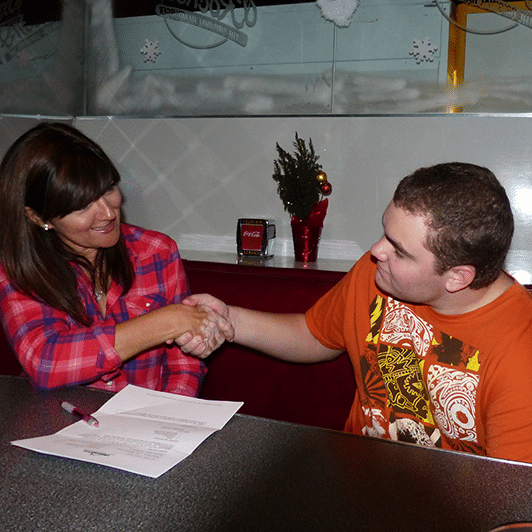
Mentoring plays a transformative role in helping high school and college students with Autism and related abilities grow into confident, capable young adults. A strong mentoring program provides hands-on learning that supports the development of essential life skills, job readiness, and meaningful social connections. Because every student’s journey is unique, flexible mentoring ensures that each individual receives the guidance, support, and encouragement they need to thrive.
Peer-to-peer mentorship is especially powerful during the high school and college years. By connecting students with mentors who understand their experiences, the program encourages participation in clubs, sports, and campus life. This involvement strengthens a sense of belonging and helps students discover their interests, build leadership skills, and develop positive relationships.
Mentoring serves as the foundation of the Achieving step empowering students to set goals, overcome challenges, and envision a successful future. With the right support, high school and college students gain the tools they need to transition confidently into the next stage of their lives.
Achieving
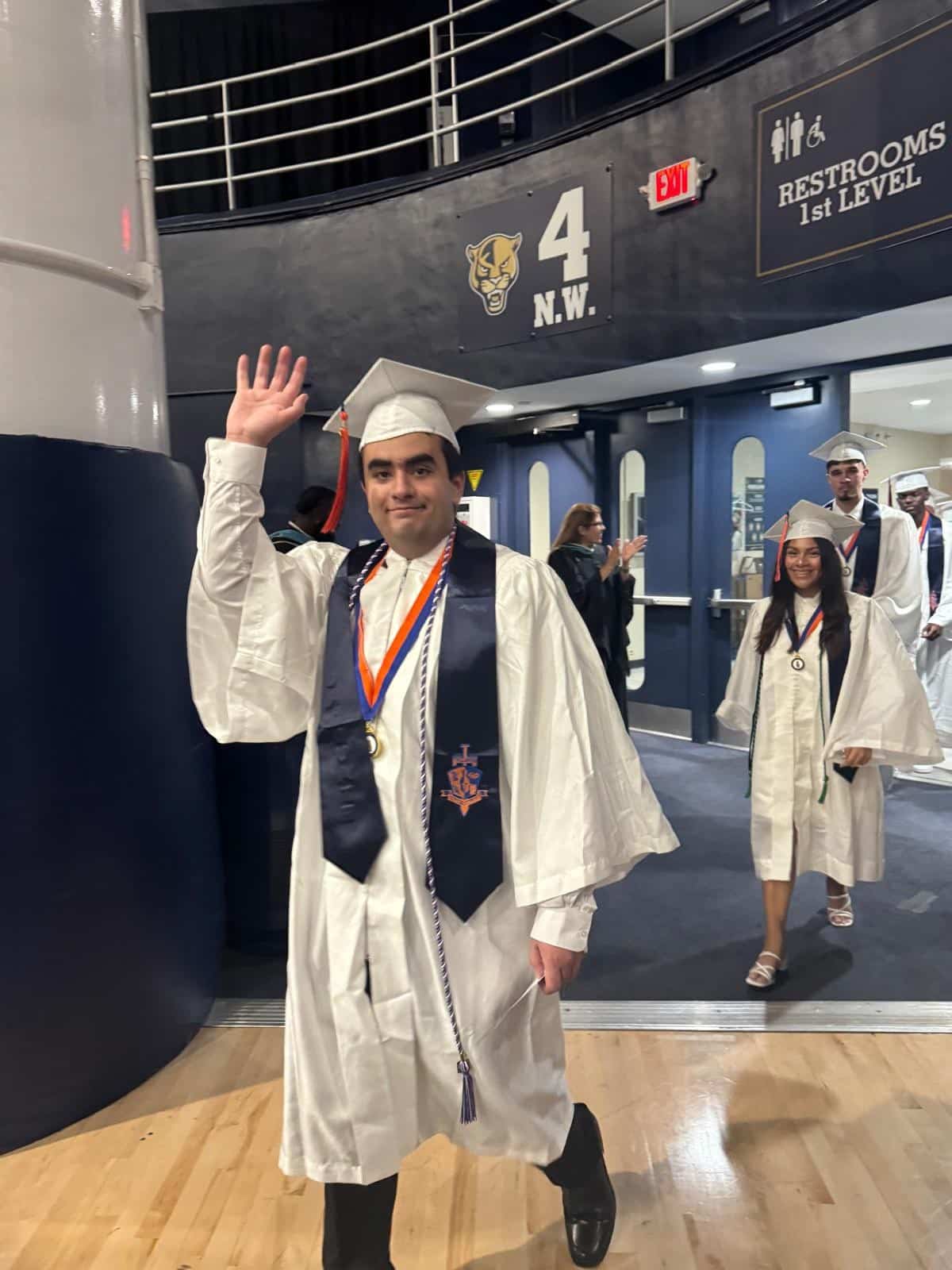
Achieving meaningful goals is essential to personal growth, and at HDS Foundation, we help students connect their education, experiences, and developing skills with real opportunities. Because every student’s strength and interest are different, their pathways after high school vary as well.
Some students pursue college to continue building academic and personal skills. Others thrive in vocational or trade programs, which offer practical, job‑specific training and provide strong alternatives to traditional higher education. With increasing demand for skilled trades, many high schools and colleges now offer hands‑on programs and certificates that lead to meaningful employment.
Other students may choose to enter the workforce directly, applying the skills they’ve gained through school, mentoring, and life experiences. Entrepreneurship is another valuable option, giving creative young people the chance to turn innovative ideas into business opportunities.
To support these diverse goals, we help students explore a range of pathways, including:
Program Options:
- Transitional Local College Programs, with assistive resources, non-degree seeking
- Transitional Local College Programs, with assistive resources and housing arrangements, non-degree seeking
- Transitional Away College Programs, with assistive resources, non-degree seeking (would need alternative housing)
- Transitional Away College Programs, with assistive resources and housing arrangements, non-degree seeking
- Two-year College Degrees, with assistive resources, local or alternative housing models
- Two-year College Degrees, with assistive resources, with housing
- Four-year College Degrees, with assistive resources, local or alternative housing models
- Four-year College Degrees, with assistive resources, with housing
- Trade Schools, Local
- Certification Programs, Local
By offering a variety of pathways, HDS Foundation empowers students to pursue futures that align with their abilities and aspirations, helping them build confidence, independence, and long‑term success.
Living
Independent and semi‑independent living are essential milestones for young adults with disabilities as they grow toward greater autonomy. The journey begins long before a housing choice is made, it starts with building the skills, confidence, and experiences that empower individuals to take meaningful steps toward living on their own. Many young adults, often in partnership with their families and support networks, develop a personalized independence path based on their unique strengths, goals, and preferred level of assistance.
Core independent living skills may include managing personal schedules, preparing meals, budgeting, navigating transportation, maintaining personal wellness, and contributing to household responsibilities. These abilities form a foundation that helps individuals participate more fully in community life and make informed decisions about their future living environment.
A variety of living options exist to support individuals as they progress along this path. Independent living communities provide accessible apartments for those who require minimal assistance but still benefit from optional supports, social engagement, and safety features. Supported‑living models offer flexible, personalized help with daily tasks, from money management to transportation or personal care, allowing young adults to maintain maximum independence while receiving just‑in‑time support. For those needing more structured environments, group homes and residential programs offer 24/7 staffing in a home‑like setting where individuals can continue building skills while ensuring their safety and well‑being.
In addition to individualized housing choices, federal and local programs help expand access to safe, affordable, and accessible options. These include HUD programs, Public Housing Agencies, and Section 811 supportive housing, all designed to help individuals with disabilities connect with appropriate resources as they move toward independence.
Through collaboration among families, service organizations, community partners, and housing agencies, communities can create flexible, person‑centered pathways that emphasize skill‑building first, and housing choice second. Together, these efforts empower young adults with disabilities to live safe, meaningful, and increasingly independent lives.